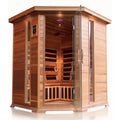
How a Home Sauna for Stress Relief Can Help
Share
The hour after work can set the tone for the entire evening. If it disappears into screens, errands, and the mental replay of unfinished tasks, your body may never receive the signal that the day is over. A home sauna for stress relief creates a more intentional transition: a warm, quiet place where the pace slows down and your daily wellness ritual can begin.
For busy professionals, parents, and anyone carrying a full schedule, that convenience matters. A restorative heat session at home removes the drive, reservations, shared locker rooms, and pressure to fit self-care into a narrow window. Instead, your personal sanctuary can be ready when you are.
Why Heat Can Feel So Calming
Stress is not only a thought pattern. It can show up as a clenched jaw, tight shoulders, shallow breathing, restless sleep, and a lingering sense of urgency long after the immediate demand has passed. Gentle heat gives many people a tangible cue to pause. As the body warms, muscles often feel looser, breathing can become slower and more deliberate, and the quiet of the session creates space away from daily input.
That experience is one reason sauna use has become a valued part of at-home wellness routines. It is not a substitute for medical or mental health care, nor is it a guarantee that every stressful day will feel easy. But it can be a supportive practice that helps make relaxation more accessible and repeatable.
Infrared saunas are especially appealing for residential use because they are designed to deliver radiant heat directly to the body while operating at temperatures many users find more comfortable than a traditional sauna. The result is often a deeply warming session without the intense, steam-heavy atmosphere some people prefer to avoid. Comfort is personal, so the best setting is the one you can enjoy consistently.
A Home Sauna for Stress Relief Fits Real Life
The most effective wellness habit is usually not the most elaborate one. It is the one that fits naturally into your home and schedule. A compact sauna placed in a bedroom, home gym, dedicated wellness room, or thoughtfully finished basement can turn unused square footage into a daily retreat.
This is where home ownership changes the equation. Rather than treating relaxation as an occasional appointment, you can build it into the rhythms you already have. A short session before bed may help you shift out of work mode. A weekend session can become a quiet reset after exercise, yard work, or family responsibilities. Some people prefer a calm morning session before the house wakes up, especially when they want a few uninterrupted minutes to breathe and set their intentions.
There is no single ideal schedule. The right frequency depends on your comfort, health status, hydration habits, and available time. For many households, 15 to 30 minutes a few times a week is a realistic starting point. Consistency matters more than chasing an extreme routine.
Build a Ritual, Not Another Obligation
A sauna becomes more restorative when it is treated as protected time rather than one more item to check off. Keep the approach simple. Enter with a glass of water nearby, leave your phone outside when possible, and give yourself permission to be unavailable for a few minutes.
The transition into and out of the session matters too. Before you step in, take a moment to notice where you are holding tension. During the session, try slow breathing rather than forcing meditation or productivity. Afterward, cool down gradually, rehydrate, and avoid rushing immediately into a demanding task. That brief recovery window can help preserve the calm you worked to create.
A few thoughtful details can make the experience feel more like luxury wellness at home: a clean towel warmed and ready, soft lighting outside the sauna, a comfortable robe, or a favorite non-caffeinated tea after your session. These are not necessities, but they reinforce the message that your home can support restoration, not just activity.
Choosing a Sauna That Supports Relaxation
A sauna should make your life easier, not add a complicated project to it. When evaluating a home model, focus on the experience you will have week after week. Fast warm-up performance can be meaningful when you have only a small window between obligations. A compact footprint may be the better choice if it allows the sauna to live close to where you spend your time instead of tucked into an inconvenient corner.
Material quality, comfortable seating, intuitive controls, and an appropriate electrical setup also deserve attention. These details influence whether the sauna feels like a polished part of your home or an underused purchase. Consider who will use it, whether you want solo quiet time or room to share the experience, and where ventilation and flooring will work best.
For families, a dedicated wellness space can have a broader benefit. When healthy routines are visible and convenient, they are easier to normalize. One person may use the sauna after a workout, while another uses it to decompress after a demanding day. The same space can support different versions of recovery.
Set Realistic Expectations for Stress and Sleep
The promise of a sauna is not that it erases stress. Its value is more practical: it creates a reliable setting for downshifting. That can be especially useful when your mind has trouble recognizing that the workday, caregiving shift, or workout is finished.
Many people also enjoy a sauna as part of an evening wind-down routine. A relaxing heat session followed by a gradual cooldown may help establish a clearer boundary before bed. Still, timing is individual. If you find that a late session leaves you feeling too energized or uncomfortable, move it earlier. If warmth helps you settle, an evening routine may be a natural fit.
Pay attention to your own response instead of copying someone else's duration or temperature. Feeling pleasantly warm and relaxed is different from feeling dizzy, nauseated, or depleted. Step out if you feel unwell, drink water before and after, and avoid alcohol around sauna use. People who are pregnant, have cardiovascular concerns, take medications that affect heat tolerance, or have other medical questions should speak with a qualified clinician before beginning a sauna routine.
Make Your Home a Place That Restores You
Stress relief becomes more sustainable when the environment supports it. Cleaner air, comfortable lighting, a bedroom that invites sleep, and a space for restorative heat can work together to change how home feels at the end of the day. This is not about creating a picture-perfect spa. It is about designing a home that gives something back to you.
A home sauna can be an indulgence, and it can also be a practical investment in the rituals that keep you steady. The best session may be the one that happens on an ordinary Tuesday, when the day has been full and you need a clear signal to slow down. Close the door, let the warmth do its quiet work, and give yourself a few minutes to return to your own pace.