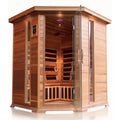
What Is Infrared Sauna Therapy?
Share
A hot, steamy sauna can feel relaxing, but for many people, it is also overwhelming. The air gets heavy fast, breathing can feel harder, and a short session becomes more about enduring heat than enjoying it. That is exactly why so many wellness-minded homeowners ask, what is infrared sauna therapy, and why does it feel so different from a traditional sauna?
Infrared sauna therapy is a form of heat therapy that uses infrared light to warm the body directly rather than heating the air around you to extreme temperatures. The result is a gentler, more comfortable heat experience that still promotes deep warmth, perspiration, and relaxation. For people looking to create a personal sanctuary at home, it offers a practical way to bring restorative heat therapy into a daily wellness routine.
What is infrared sauna therapy and how does it work?
Infrared sauna therapy relies on infrared heaters that emit invisible light waves. These waves are absorbed by the body and converted into heat. Instead of sitting in a superheated room where the air itself is the main source of heat, you feel warmth building from the inside out.
That distinction matters. Traditional saunas usually heat the air to much higher temperatures, which can make the space feel intense very quickly. Infrared saunas typically operate at lower ambient temperatures, yet many users still experience a substantial sweat response. Because the heat feels more targeted and less suffocating, sessions can feel more approachable for beginners and more sustainable for regular use.
There are also different types of infrared wavelengths, commonly described as near, mid, and far infrared. In consumer wellness settings, far infrared is often the most discussed because it is associated with deeper, more enveloping heat and a comfortable user experience. That said, the technical distinctions matter less for most homeowners than overall build quality, heating consistency, comfort, and how easily the sauna fits into everyday life.
Why people use infrared sauna therapy
Most people are not turning to infrared sauna therapy because they want another complicated wellness habit. They want something that feels calming, effective, and realistic to use after work, after a workout, or before bed. In that sense, infrared sauna therapy sits at the intersection of recovery and routine.
One of the biggest reasons people use it is stress relief. Heat has a naturally calming effect, and a quiet sauna session can create a transition point between the demands of the day and a more relaxed evening. Many users describe it less as a treatment and more as a ritual, a set period of time when the nervous system finally gets permission to slow down.
Recovery is another common motivation. People who exercise regularly often use sauna sessions to support muscle relaxation and reduce the sensation of stiffness after training. Some also find that gentle heat helps them feel looser and more comfortable after long hours at a desk or repetitive daily strain.
Sleep support is part of the appeal too. While an infrared sauna is not a cure for sleep problems, many people find that using one in the evening helps them unwind physically and mentally. A body that feels warm, relaxed, and less tense often has an easier time settling into rest.
There is also the simple luxury factor. For busy professionals, parents, and homeowners investing in a healthier living environment, an infrared sauna can transform a spare room, gym area, or wellness corner into a more restorative space. It brings the feeling of a boutique wellness experience into the home without requiring appointments, travel, or recurring spa visits.
Potential benefits of infrared sauna therapy
The benefits people talk about most often are relaxation, sweating, circulation support, and a general sense of recovery. Some users also report improved mood, easier post-workout comfort, and better consistency with self-care because the experience is easier to fit into a home schedule.
Sweating is a major part of the appeal, but it is worth being realistic about what that means. A sauna session can make you feel refreshed and lighter in the short term because of fluid loss through sweat, yet that is not the same thing as long-term fat loss. It can be part of a broader wellness lifestyle, but it should not be framed as a shortcut.
Circulation is another commonly cited benefit. Heat causes blood vessels to expand, which can increase blood flow temporarily. For many people, that contributes to the warm, loose, relaxed feeling that follows a good session. If your goal is to feel less physically wound up at the end of the day, that effect can be meaningful.
Some people are also drawn to infrared sauna therapy for its convenience. This may not sound like a health benefit, but it matters. Wellness tools only help when they are actually used. A home infrared sauna with a fast warm-up time and a compact footprint tends to fit more naturally into real life than something that feels like a special occasion every few months.
What infrared sauna therapy does not do
This is where a little nuance matters. Infrared sauna therapy can be a valuable part of a wellness routine, but it is not a miracle fix. It does not replace medical care, and it should not be marketed as a cure for chronic illness, serious pain conditions, or cardiovascular problems.
It also is not ideal for everyone in every situation. If you are dehydrated, feeling ill, pregnant, taking medications that affect heat tolerance, or managing a health condition that changes how your body responds to heat, it is smart to talk with a qualified healthcare professional before starting. The same goes if you have a history of dizziness, fainting, or heat sensitivity.
The most helpful way to think about it is as supportive care rather than primary care. It can complement an already health-conscious lifestyle built around movement, hydration, sleep, and stress management. It works best when expectations are grounded.
What to expect from an infrared sauna session
A typical session feels calm rather than punishing. You sit in a warm, dry environment and allow the heat to build gradually. Many people start with 15 to 20 minutes and increase over time as they learn their comfort level. The goal is not to prove endurance. The goal is to leave feeling restored.
You will likely begin sweating after several minutes, though the timing depends on the temperature, your own body, and how accustomed you are to heat. Some people sweat quickly. Others take longer but still feel the relaxation effects. Hydration before and after matters, and light, breathable clothing or a towel is usually all that is needed.
At home, the experience tends to feel even more accessible because there is privacy and control. You can choose the time of day, the temperature range, the atmosphere, and the session length. That flexibility is one reason infrared sauna therapy has become so appealing for people building a luxury wellness at home routine.
Is infrared sauna therapy better than a traditional sauna?
It depends on what you want. If you love an intense, high-heat sauna environment and the ritual of a traditional steam-like experience, infrared may feel different than what you are used to. But if you want a more comfortable temperature, easier breathing, and a heat style that feels less aggressive, infrared often makes more sense.
For home use, infrared also tends to appeal to buyers who care about practical integration. Compact design, quicker warm-up, and user-friendly operation can make the difference between something that becomes part of your week and something that sits unused. For many households, comfort and convenience are what turn wellness from an aspiration into a habit.
That is part of why brands like Wholesome Living Solutions position infrared saunas as both indulgent and functional. The experience feels elevated, but the value is in how naturally it supports real daily life.
Is it worth bringing infrared sauna therapy into your home?
If your idea of wellness is something you can actually return to consistently, infrared sauna therapy has strong appeal. It offers warmth without the oppressive feel of extreme heat, supports moments of calm in a busy schedule, and helps turn part of the home into a restorative retreat.
The best fit is someone who values comfort, routine, and visible quality. It is especially attractive for homeowners who already think carefully about their indoor environment, whether that means cleaner air, better water, or more intentional recovery spaces. The sauna becomes part of a broader lifestyle centered on feeling better where you live.
A well-chosen infrared sauna will not do everything, and it does not need to. Sometimes the most powerful wellness upgrade is the one that makes it easier to pause, breathe, and care for yourself without leaving home. If that sounds like what you have been missing, infrared sauna therapy may be less of a trend and more of a lasting ritual.