How to Build a Home Spa for Daily Wellness
Share
The most restorative part of a spa visit is often not the treatment itself. It is the moment your body recognizes that there is nowhere else to be. Learning how to build a home spa starts with creating that feeling on purpose: a space that is warm, quiet, clean, and easy enough to use on an ordinary Tuesday night.
A home spa does not require a full bathroom renovation or an oversized wellness room. For many households, it begins with a thoughtful corner, better water, cleaner air, and one or two high-impact upgrades that make relaxation feel like part of daily life rather than an occasional escape.
Start With the Wellness Experience You Want
Before choosing finishes or equipment, decide what you want your home spa to do for you. A busy professional may want a quiet recovery ritual after long days. Parents may be focused on a calmer evening routine and a healthier-feeling home environment. Someone who exercises regularly may prioritize restorative warmth and a dedicated space to decompress.
This decision shapes the room, the budget, and the products that deserve the most attention. A spa designed for occasional soaking has different needs than one centered on daily heat therapy. The best setup is not necessarily the largest or most elaborate. It is the one you will use consistently.
Choose a space with enough privacy to make the ritual feel protected. A primary bathroom is an obvious choice, but a guest room, finished basement, covered patio, or unused corner of a bedroom can work beautifully. Focus on practical details early: nearby electrical access, ventilation, flooring that can handle moisture, and enough clearance to move comfortably.
How to Build a Home Spa Around Three Essentials
A beautiful candle and plush towels can set the mood, but the foundation of luxury wellness at home is environmental quality. Prioritize the elements you breathe, drink, and feel every day: air, water, and restorative heat.
Create a cleaner-air retreat
A spa should feel fresh from the moment you enter it. Indoor air can be affected by cooking odors, pet dander, dust, seasonal allergens, and everyday household activity. A high-performance air purifier helps create a more comfortable environment, particularly in enclosed rooms where you read, stretch, meditate, or recover after a workout.
Place the unit where air can circulate rather than behind furniture or tucked tightly into a corner. Size it appropriately for the room, and keep doors and windows in mind. An air purifier can support a more refreshed indoor environment, but it cannot compensate for persistent moisture problems or inadequate ventilation. If the room has a bathroom shower or sauna, proper exhaust ventilation remains essential.
Make water part of the ritual
Water is one of the simplest ways to make a wellness routine feel more intentional. Filtered drinking water near your spa area encourages hydration before and after warmth-based relaxation. It also brings a practical daily benefit to the space, even when you only have five quiet minutes available.
If your home has noticeable taste, odor, or mineral concerns, a water filtration system can improve the experience of filling a glass, preparing herbal tea, or setting out a carafe for guests. The right system depends on your water source, household size, and whether you want point-of-use filtration or a more comprehensive solution. Consider testing your water if you are unsure what you are addressing rather than choosing based on aesthetics alone.
Add restorative heat with intention
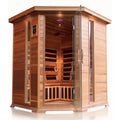
An infrared sauna can become the centerpiece of a personal sanctuary. Its gentle, enveloping warmth offers a dedicated place to slow down, relax tired muscles, and transition out of a demanding day. Compact home-friendly models make it possible to create a meaningful heat ritual without building a custom spa wing.
Location matters. Choose a stable, level surface with adequate clearance and follow the manufacturer’s electrical, ventilation, and assembly guidance. A sauna belongs in a space that feels easy to reach, not hidden in a room you rarely enter. Fast warm-up performance can make a real difference here: when the ritual fits naturally into your schedule, it is more likely to become a habit.
Heat therapy is not right for every person or every day. Those who are pregnant, managing a medical condition, taking medications that affect heat tolerance, or concerned about cardiovascular health should speak with a qualified healthcare professional before beginning sauna use. Keep sessions comfortable, hydrate well, and step out if you feel lightheaded or unwell.
Design for Calm, Not Clutter
Once the wellness essentials are in place, use design to make the room feel settled. A home spa should not resemble a storage closet with a few decorative accents. Limit visual noise, choose materials that feel good to touch, and give every item a clear place.
Soft, low-glare lighting changes the room immediately. Warm bulbs, dimmers, or a small lamp can be more calming than bright overhead lighting. If natural light is available, use a privacy shade that lets daylight in without making the room feel exposed. In the evening, avoid cool blue-white lighting that can make a retreat feel more like a utility room.
Choose a restrained palette: warm white, sand, muted green, charcoal, or natural wood tones tend to create an enduring spa atmosphere. You do not need to match everything perfectly. A wood stool, woven basket, ceramic tray, and cotton robe can add texture without overdecorating the space.
Keep the surfaces mostly clear. Set out only what supports the ritual: a water glass, a towel, a book, a small speaker, or a simple tray for skincare. Store backup supplies out of sight. The goal is not minimalism for its own sake. It is reducing the small decisions that interrupt rest.
Build a Ritual That Fits Real Life
The most successful home spa is designed around a repeatable routine, not a once-a-month production. Think in layers. On a busy day, your ritual might be ten minutes of clean, quiet air while you drink filtered water and stretch. On a slower evening, it could include a sauna session, a shower, comfortable loungewear, and an early bedtime.
Create a simple sequence that signals the day is winding down. Put your phone outside the room or switch it to silent. Fill a water bottle before you begin. Choose one calming soundtrack or enjoy the quiet. Keep a robe and fresh towels within reach so there is no need to search for them when you are ready to relax.
Scent can be effective, but it should be used carefully. Strong fragrances may be unpleasant for family members with sensitivities, and essential oils should never be applied directly to sauna heating components or used in ways that conflict with product instructions. A lightly scented linen spray, an unscented room, or fresh eucalyptus placed well away from heat may be all you need.
Invest Where You Will Feel the Difference
When planning a home spa, it is tempting to spread the budget across many small accessories. In practice, the biggest transformation usually comes from a few foundational investments: a dependable infrared sauna, effective water filtration, and air purification suited to your space. These upgrades support the experience every day, whether or not the room is styled for a photo.
Then add comfort in stages. Start with quality towels, a supportive bench or stool, closed storage, and lighting you genuinely enjoy. Upgrade finishes later if needed. This approach protects your budget while allowing the space to evolve with your routines.
Wholesome Living Solutions is built around this idea: premium wellness tools should feel at home in real residential spaces, delivering comfort and performance without turning daily care into a complicated project. Look for products with clear setup guidance, home-appropriate dimensions, reliable customer support, and a satisfaction guarantee that gives you confidence in the investment.
Your home spa does not need to look like a hotel suite to feel exceptional. It needs to make care easier to choose. When clean air, purified water, restorative warmth, and a few quiet minutes are already waiting for you, wellness becomes less of an appointment and more of a way you live.