How to Create a Wellness Room at Home That Lasts
Share
A wellness room should not feel like a showroom or a spare bedroom with a candle in it. It should be the place you can step into after a difficult meeting, a demanding workout, or a restless night and immediately feel your shoulders lower. Learning how to create a wellness room at home starts with that feeling, then builds the environment that makes it easier to return to yourself every day.
The best home wellness spaces pair a sense of luxury with practical support: clean air to breathe, purified water within reach, comfortable warmth, and fewer visual demands on your attention. You do not need a large home or a full renovation. A thoughtfully designed corner, guest room, basement nook, or primary-suite retreat can become a personal sanctuary when every choice serves a clear purpose.
Start With the Ritual, Not the Room
Before choosing furniture or equipment, decide what you want to do in the space. A wellness room built for post-work recovery will look different from one intended for quiet morning reflection, family hydration, or low-impact movement. Defining the ritual keeps the room useful long after its first week of novelty.
For many households, the most enduring rituals are simple: drink a glass of filtered water before coffee, sit in restorative heat after exercise, read without a screen before bed, stretch for ten minutes, or take five quiet breaths between work and family responsibilities. Choose one or two habits you genuinely want to repeat. The room should make those habits more inviting and more convenient.
It also helps to consider when the room will be used. A morning-focused space benefits from natural light and an easy water station. An evening retreat may call for dimmable lighting, warmer textures, and a more private location. If several people will use it, prioritize intuitive controls and enough open floor space that the room does not feel precious or restrictive.
Choose a Location That Supports Consistency
The right location is not always the largest available room. It is the one that makes a daily wellness ritual realistic. A rarely used formal sitting room may offer calm and privacy, while a corner near the primary bedroom may be more convenient for nighttime recovery. A finished basement can be ideal for an infrared sauna, provided there is appropriate clearance, a stable floor, and access to a suitable electrical outlet.
Look for four qualities before committing to a space:
- Privacy, so you can relax without feeling observed or interrupted.
- Ventilation and comfortable temperature control, especially if heat therapy is part of the plan.
- Enough space to move safely around furnishings and equipment.
- Proximity to water, storage, and a bathroom when possible.
Build the Foundation: Air, Water, and Heat
A spa-like home environment is not created by appearance alone. The elements you cannot always see often have the greatest impact on comfort. Start with the fundamentals that support how the room feels to use: indoor air quality, hydration, and restorative warmth.
Give Clean Air a Permanent Place
Bedrooms, home offices, and enclosed retreat spaces can collect dust, pet dander, odors, and airborne particles. An air purifier sized appropriately for the room can help create a fresher, more comfortable environment, particularly for households with pets, seasonal sensitivities, or rooms that stay closed for much of the day.
Placement matters. Give the unit room to circulate air rather than tucking it behind a chair or inside a cabinet. Keep doors and windows in mind, too. If outdoor conditions are pleasant, fresh air can complement purification. During high-pollen days, wildfire smoke events, or periods of poor outdoor air quality, a closed room with effective filtration may be the more comfortable choice.
Make Hydration Effortless
Hydration is one of the simplest wellness practices, yet it is easy to overlook when water is not convenient or appealing. A water filtration system can turn a kitchen, nearby bar area, or wellness-room refreshment station into a natural pause point for better daily habits.
Keep a carafe, glasses, and a small tray nearby so the ritual feels considered rather than clinical. If you use the room for heat therapy or exercise recovery, having purified water close at hand is especially practical. The goal is not to create a complicated beverage program. It is to make a refreshing glass of water the easiest choice in the room.
Create a Thoughtful Heat-Therapy Zone
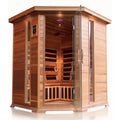
For many people, an infrared sauna is the centerpiece of luxury wellness at home. It creates a dedicated place to slow down, warm up, and recover without booking an appointment or driving across town. Compact, home-friendly designs can make this experience possible even when square footage is limited.
Plan the sauna area with care. Follow the manufacturer’s guidance for electrical requirements, wall clearance, flooring, and assembly. Leave enough space to enter and exit comfortably, and place towels, water, and a robe within easy reach. A nearby hook, bench, or closed storage cabinet keeps the area composed instead of cluttered.
Heat therapy is personal. Start with shorter sessions and comfortable settings, then adjust based on how you feel. People who are pregnant, have cardiovascular concerns, take certain medications, or manage a medical condition should speak with a qualified healthcare professional before adding sauna use to a routine. A well-designed wellness room should always feel supportive, never demanding.
Design for Nervous-System Ease
Once the functional foundation is in place, design the sensory experience. The room does not need to be beige or minimal to be calming, but it should have fewer competing signals than the rest of the home.
Use a restrained palette of warm whites, soft mineral tones, natural wood, muted green, or deep blue-gray. These colors create visual quiet without making the room feel cold. Layer in tactile materials such as a washable wool-blend rug, cotton towels, linen curtains, a supportive meditation cushion, or a wood stool beside the sauna. Choose materials that feel good to touch and are easy to maintain.
Lighting deserves special attention. Bright overhead lighting can be useful for cleaning or stretching, but it rarely encourages rest. Add dimmable lamps, wall sconces, or warm-toned bulbs to create a gentler transition in the evening. If the room receives strong daylight, use light-filtering window treatments instead of blocking the sun completely. Natural light can make a wellness room feel alive, while control over that light makes it more versatile.
Sound is another overlooked layer. Thick textiles, curtains, and upholstered seating soften echoes in hard-surfaced rooms. If the space faces a busy street or active part of the home, a small sound machine or quiet instrumental playlist can help create privacy without requiring complete silence.
Keep the Room Edited and Easy to Maintain
A wellness room loses its purpose when it becomes a place to store unopened packages, seasonal decor, or exercise equipment you do not use. Give every item a job. A basket for towels, a closed cabinet for accessories, and a tray for hydration supplies are usually enough to maintain order.
Resist the urge to buy every wellness accessory at once. A high-quality air purifier, water filtration solution, or infrared sauna can provide a meaningful daily foundation; decorative extras should support the ritual, not distract from it. Start with the pieces you will use several times a week, then refine the room after you have lived with it.
Maintenance is part of the experience. Refresh towels regularly, wipe down surfaces, replace filters according to product guidance, and keep the floor clear. These small acts preserve the feeling that the room is ready for you. Wholesome Living Solutions approaches home wellness with this same balance of elevated comfort and everyday function: the best investment is one that fits naturally into real life.
Make It a Room You Actually Use
The final detail is permission. A wellness room is not reserved for the perfect morning, the ideal workout, or the day you have extra time. Use it for ten quiet minutes. Refill your water glass there. Sit with a book before bed. Let the room become familiar enough that stepping inside feels like a reliable signal: this is time set aside for your well-being.
Your home does not need to be a resort to offer restoration. It simply needs one thoughtfully prepared place that helps you breathe deeper, hydrate more easily, and come back to the rest of your day feeling more like yourself.