Sauna Detox at Home for a Restorative Ritual
Share
A sauna session can turn the quietest corner of your home into a place to reset. For many people, a sauna detox at home is less about a dramatic cleanse and more about something far more sustainable: stepping away from screens, warming the body, easing post-workday tension, and giving recovery the same place on the calendar as work and family commitments.
That distinction matters. Your body already has highly capable systems for processing and eliminating waste, led by the liver, kidneys, digestive system, and lungs. Sweating is not a shortcut that replaces those systems. What sauna time can offer is a deeply comforting heat ritual that supports relaxation, circulation, and the sense of renewal that comes from consistent self-care. Done thoughtfully, it can become one of the most rewarding forms of luxury wellness at home.
What a Sauna Detox at Home Can Really Support
The word “detox” is often used to describe the light, refreshed feeling that follows a sauna session. There is a practical reason people enjoy it: heat prompts sweating, raises heart rate, and can help the body feel looser after a sedentary day or an intense workout. Many sauna users also find that a regular session helps them transition into a calmer evening routine.
The strongest case for at-home sauna use is not a promise of removing toxins overnight. It is the opportunity to create a repeatable recovery ritual. Time in a warm, quiet environment may help you relax, release muscle tightness, and prepare for better rest. The value builds through consistency, not through pushing yourself to the limit.
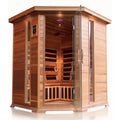
An infrared sauna can be especially appealing for a home setting because it is designed to deliver a comfortable, enveloping heat experience without the long lead time of many traditional sauna setups. The right format depends on your space, heat preference, and how you want the ritual to fit into your day. A compact unit near a primary bedroom, home gym, or dedicated wellness room can make restorative heat therapy feel remarkably accessible.
Start With a Comfortable, Not Extreme, Heat Session
The best home sauna routine is one you can repeat without dread. Begin conservatively, particularly if you are new to heat therapy. A session of 10 to 15 minutes at a moderate temperature gives you a chance to learn how your body responds. Over time, many healthy adults are comfortable extending sessions to roughly 20 to 30 minutes, but more time is not automatically better.
Pay attention to the signals that matter: dizziness, nausea, headache, unusual weakness, a racing heartbeat, or feeling faint are all signs to leave the sauna, cool down, and hydrate. Do not treat discomfort as proof that the session is working. A restorative ritual should leave you settled and refreshed, not depleted.
Timing changes the experience, too. Morning sessions can create a calm start before the household gets busy. A late-afternoon session may help release the stiffness that accumulates at a desk. Evening heat can be soothing, although some people prefer to finish at least an hour before bed so they have time to cool down comfortably. There is no single perfect schedule. The right one is the one that supports your sleep, energy, and routine.
Hydration Is Part of the Ritual
A sauna session naturally leads to fluid loss through sweat, so hydration deserves as much attention as the heat itself. Drink water before your session, keep water nearby, and replenish afterward. If you have exercised heavily, spent time outdoors in hot weather, or tend to sweat a great deal, a balanced electrolyte drink may be useful as well.
Avoid entering the sauna already dehydrated. Dark urine, a dry mouth, fatigue, or a headache can all be clues that your body needs fluids first. Alcohol and sauna use are also a poor pairing. Alcohol can increase dehydration and make it harder to notice when your body has had enough heat.
For a more elevated experience, set out a chilled glass of purified water and a clean towel before you begin. These small details remove friction and make the session feel like a genuine appointment with your well-being rather than another task to manage.
Build a Sauna Routine That Fits Real Life
An at-home sauna is most valuable when it becomes easy to use. You do not need a complicated protocol, special supplements, or an hour of uninterrupted time to benefit from a calming heat practice. Start with two or three sessions each week and allow your habits to guide the next step.
A simple routine might look like this: spend a few minutes cooling down from work or exercise, drink water, enjoy a moderate sauna session, then sit or lie down quietly afterward. A lukewarm shower can feel refreshing, while a cooler rinse may be invigorating if you enjoy that contrast. Choose the finish that helps you feel grounded rather than shocked or stressed.
Your environment matters. Soft lighting, a folded towel, breathable clothing or a comfortable robe, and an uncluttered path to the shower all make it easier to return to the ritual. This is where home wellness becomes more than a product category. It becomes a private sanctuary that supports you on ordinary Tuesdays as much as on weekends.
Pair Heat With Recovery-Friendly Habits
Sauna time works best alongside the basics that support whole-body wellness: regular sleep, nourishing meals, movement, hydration, and cleaner air and water at home. It is not a replacement for any of them. Think of it as a supportive layer that makes recovery feel more intentional.
After a workout, heat may feel particularly satisfying once your breathing and heart rate have returned closer to normal. After a stressful day, try a few slow breaths before and after the session rather than bringing your phone inside. If your goal is better sleep, keep the post-sauna period quiet and dim. The ritual can be tailored to your needs without becoming rigid.
When to Skip the Sauna or Ask Your Clinician
Saunas are not appropriate for every person or every day. If you are pregnant, have cardiovascular disease, uncontrolled blood pressure, kidney disease, a heat-sensitive condition, or a history of fainting, speak with your clinician before beginning a sauna routine. The same caution applies if you take medications that affect blood pressure, hydration, sweating, or temperature regulation.
Skip a session when you are sick, feverish, dehydrated, hungover, or recovering from a stomach illness. Children and older adults may have different heat tolerance and need additional guidance. If you are unsure, the more cautious choice is the better one.
It is also wise to avoid using a sauna alone if you are feeling unwell or trying heat therapy for the first time. Keep the door easy to open, avoid falling asleep in the sauna, and give yourself time to cool down before driving or returning to demanding activity.
Choosing a Home Sauna Experience You Will Use
A beautiful home sauna should feel inviting enough to become part of your life, not like equipment that sits unused after the first month. Before choosing one, consider where it will live, how many people will use it, how quickly you want it ready, and whether its footprint suits your home. A smaller model may be ideal for a bedroom suite or home office, while a larger cabin can turn a wellness room into a shared retreat.
Quality construction, reliable heating performance, easy-to-use controls, and a design that complements your space all matter. So does reassurance. When you are investing in a daily wellness practice, clear product information, customer support, and a satisfaction guarantee can make the decision feel more comfortable.
Wholesome Living Solutions approaches home wellness with that balance in mind: elevated comfort paired with practical performance. The goal is not to make every day perfect. It is to make a restorative choice easier to reach when your body and mind need a reset.
The most effective sauna detox at home is the one that respects your body, fits your schedule, and leaves you feeling cared for. Fill your water glass, set aside a few unhurried minutes, and let the warmth become a steady part of how you come back to yourself.